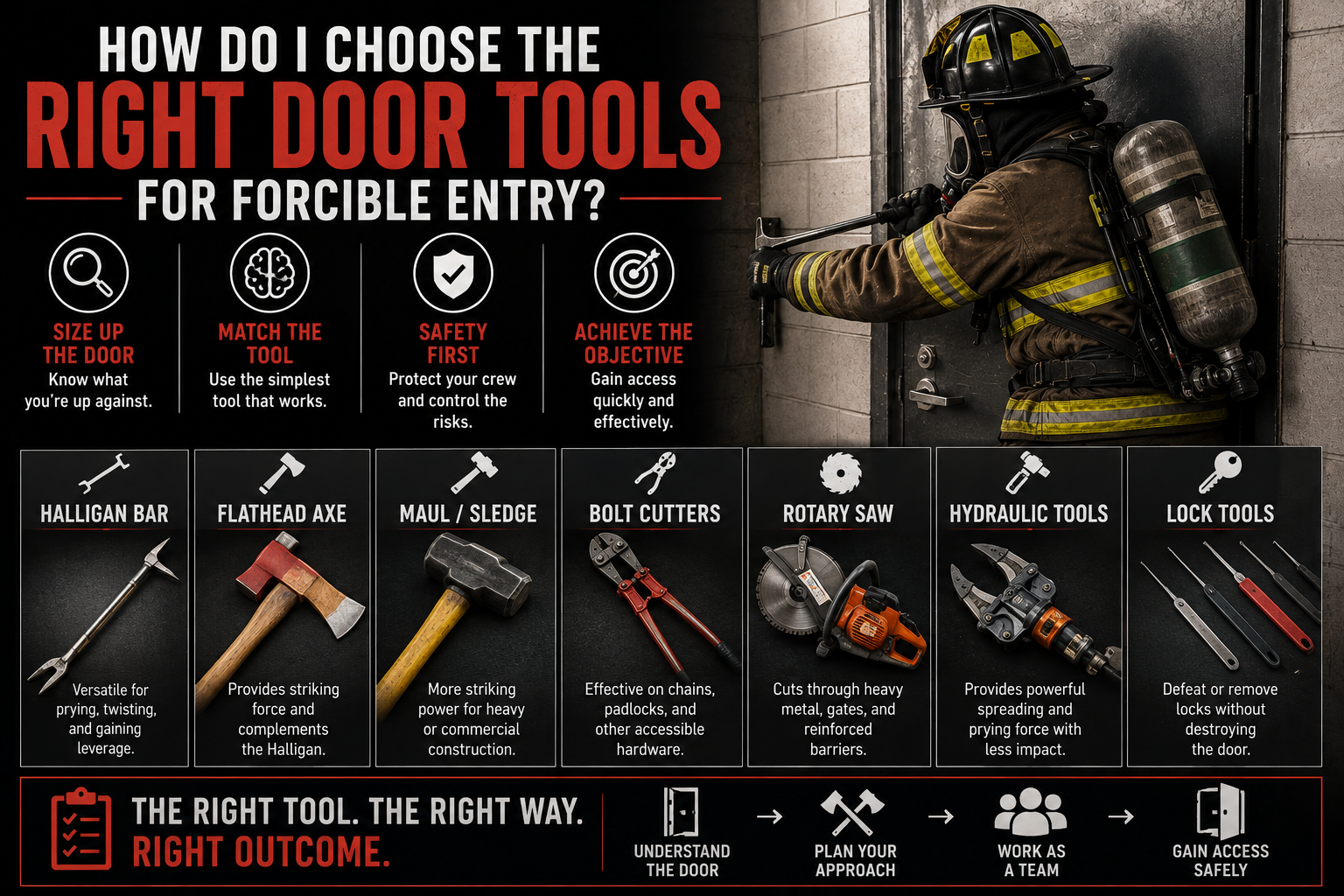






Firefighters encounter many barriers that can be defeated with conventional forcible entry tools. A Halligan and flathead axe can handle many doors, while rotary saws, bolt cutters, hydraulic tools, and specialized lock-pulling equipment expand the options available to a crew.
There are situations, however, where firefighters may encounter heavy steel security features or other substantial metal barriers that cannot be quickly defeated using conventional methods. In specialized circumstances, a cutting torch may be considered as another forcible entry option.
Using a cutting torch for forcible entry is very different from forcing a conventional door. The operation introduces extreme heat, sparks, molten material, compressed-gas equipment, and additional fire and atmospheric hazards. It also requires specialized training that goes beyond normal mechanical forcible entry.
So, what is required for forcible entry operations involving cutting torches?
The answer begins long before the torch is used. Departments need appropriately trained personnel, suitable equipment, proper protective equipment, a thorough hazard assessment, fire protection, coordination with the incident command structure, and clear operating procedures.
Most importantly, firefighters must determine whether using a cutting torch is appropriate for the specific emergency at all.
Cutting Torches Are Specialized Forcible Entry Tools
A cutting torch should not be viewed as a replacement for conventional forcible entry equipment.
Most forcible entry problems should be approached by first identifying the barrier, determining how it is secured, and selecting the simplest effective method of defeating it.
Firefighters may be able to force a door mechanically, defeat the locking mechanism, remove a lock, cut a padlock, breach another portion of the structure, or enter through an alternate location.
Torch operations become relevant when the obstacle involves substantial metal construction that cannot be efficiently defeated through more conventional means.
Examples can include certain heavy security barriers, steel gates, reinforced metal assemblies, industrial equipment, or other substantial metal obstructions.
Even then, the decision to use a torch should be based on conditions rather than simply the availability of the equipment.
Specialized Training Is Essential
The first requirement is properly trained personnel.
A cutting torch creates hazards that are not present during many conventional forcible entry operations. Firefighters need to understand not only how their department's equipment functions but also how torch operations interact with the fireground environment.
Training should address subjects such as:
-
Equipment inspection and setup
-
Compressed-gas hazards
-
Appropriate PPE
-
Recognition of combustible and flammable materials
-
Hot metal and molten material hazards
-
Atmospheric considerations
-
Fire protection
-
Equipment shutdown and emergency procedures
-
Crew communication
-
Appropriate applications and limitations
Departments should establish competency requirements based on the specific cutting equipment they carry, manufacturer instructions, applicable standards, and departmental procedures.
A firefighter should never be expected to learn torch operation for the first time during an emergency.
Proper Personal Protective Equipment Is Required
Forcible entry already requires appropriate structural firefighting PPE based on the incident environment. Torch cutting introduces additional hazards to the person performing the operation.
The cutting process can produce intense heat, sparks, hot slag, and radiant energy. Eye and face protection become particularly important.
The appropriate protective ensemble depends on the equipment being used, the environment, department procedures, and the hazards identified during size-up.
Firefighters must also remember that the person operating the cutting equipment is not the only member at risk.
Sparks and molten material can travel beyond the immediate work area. Personnel positioned nearby, on the opposite side of a barrier, or below an elevated cutting operation may also be exposed.
Establishing and maintaining a safe operating area is therefore part of the operation.
The Barrier Must Be Evaluated Before Cutting Begins
One of the fundamental principles of forcible entry is understanding what you are attacking.
That becomes especially important when using thermal cutting equipment.
Crews should identify the type of barrier, its construction, how it is supported, and what may happen when portions of it are cut.
A metal security gate, for example, may contain considerable weight or stored mechanical tension. Cutting one component could cause another part of the assembly to move unexpectedly.
Firefighters also need to consider what exists immediately behind the barrier.
A metal door or panel may conceal combustible materials, electrical equipment, utility components, pressurized systems, hazardous materials, or occupants.
Simply knowing that a torch can cut the metal does not mean that torch cutting is the appropriate tactic.
The Surrounding Fire Environment Must Be Considered
Perhaps the most important question is whether introducing a high-temperature cutting operation is compatible with the surrounding environment.
Firefighters must consider the potential presence of:
Flammable liquids or vapors. A cutting operation that produces heat and sparks can create a severe ignition hazard when a flammable atmosphere is present.
Combustible materials. Sparks and molten metal can ignite materials that are not directly involved in the original incident.
Unknown contents. Industrial and commercial occupancies may contain materials that are not immediately apparent from outside.
Pressurized containers. Cylinders, tanks, and other pressurized systems can create significant hazards when exposed to heat.
Electrical hazards. Metal barriers may be located near energized equipment or electrical systems.
Changing fire conditions. Opening a barrier can change airflow and potentially influence fire behavior.
For these reasons, torch-based forcible entry requires a broader size-up than simply determining whether the material can be cut.
A Charged Hose Line and Fire Protection May Be Necessary
When hot work is being conducted during an emergency operation, crews must be prepared for the possibility of secondary ignition.
Depending on the incident and department procedures, fire protection may include a charged hose line positioned to protect the cutting operation and surrounding area.
This serves several purposes.
If sparks or slag ignite nearby combustible material, firefighters can immediately address the developing fire. The line may also protect personnel if conditions change unexpectedly.
The cutting operation should be integrated into the overall incident plan rather than treated as an independent task.
The officer responsible for the operation needs to understand where crews are positioned, what is being cut, and what may happen when the barrier is breached.
Compressed-Gas Cylinders Require Careful Management
Many torch systems rely on compressed gases, creating another category of hazards.
Cylinders need to be transported, positioned, secured, inspected, and operated according to applicable procedures and manufacturer requirements.
Firefighters should protect cylinders and associated equipment from unnecessary heat, flame exposure, impact, falling debris, and other fireground hazards.
Hoses and connections also need protection.
A hose running through a busy operational area can be damaged by sharp objects, vehicles, falling materials, or other equipment.
Cylinder placement should therefore be considered during the overall setup rather than treated as an afterthought.
Departments should have clear procedures for inspecting torch equipment before use and removing damaged equipment from service.
Ventilation and Atmospheric Conditions Matter
Torch operations can produce smoke, fumes, gases, and airborne contaminants.
That makes ventilation an important consideration, particularly when cutting occurs inside or around confined or poorly ventilated spaces.
The atmosphere may already be hazardous because of the incident itself.
Adding a thermal cutting operation can further complicate conditions.
Firefighters need to evaluate whether respiratory protection is required based on the environment and departmental procedures. Atmospheric monitoring may also be appropriate in situations where hazardous or flammable atmospheres are possible.
Confined-space environments require particular caution.
A cutting method that might be reasonable outdoors could present substantially greater risk in an enclosed space with limited ventilation.
Crews Must Consider What Happens After the Cut
Good forcible entry planning does not end when the barrier has been defeated.
Firefighters should anticipate what happens next.
Will the cut section remain attached?
Could it fall?
Will the remaining metal have sharp edges?
Does removing the barrier create a larger opening that changes ventilation?
Could the barrier swing or shift?
Will firefighters need to travel through the opening?
These questions should influence how the operation is planned.
Sharp metal is particularly important. A newly created opening can expose firefighters, victims, hose lines, and equipment to sharp or jagged surfaces.
Once access has been created, the opening must be evaluated before crews begin moving through it.
Conventional Forcible Entry Should Still Be Considered
The availability of specialized equipment can sometimes make a complicated solution appear more attractive than a simple one.
Experienced forcible entry begins with understanding the weakest point in the system.
If a heavy steel door is secured by a lock that can be defeated conventionally, attacking the entire door may waste valuable time.
If an adjacent door provides faster access, forcing the primary barrier may be unnecessary.
If a mechanical saw can accomplish the objective without introducing the additional requirements of torch operations, that option may be preferable.
Firefighters should therefore work through a basic sequence:
What is preventing entry?
What is the simplest reliable way to defeat it?
What hazards will that method create?
Is there a safer or faster alternative?
That mindset is more important than any individual tool.
Why Conventional Forcible Entry Training Still Matters
Specialized cutting equipment does not reduce the importance of mastering conventional forcible entry. In many situations, conventional tools remain the fastest and most practical way to gain access.
Firefighters should develop a strong understanding of door construction, locking systems, leverage, tool placement, inward- versus outward-swinging doors, and coordinated two-firefighter operations.
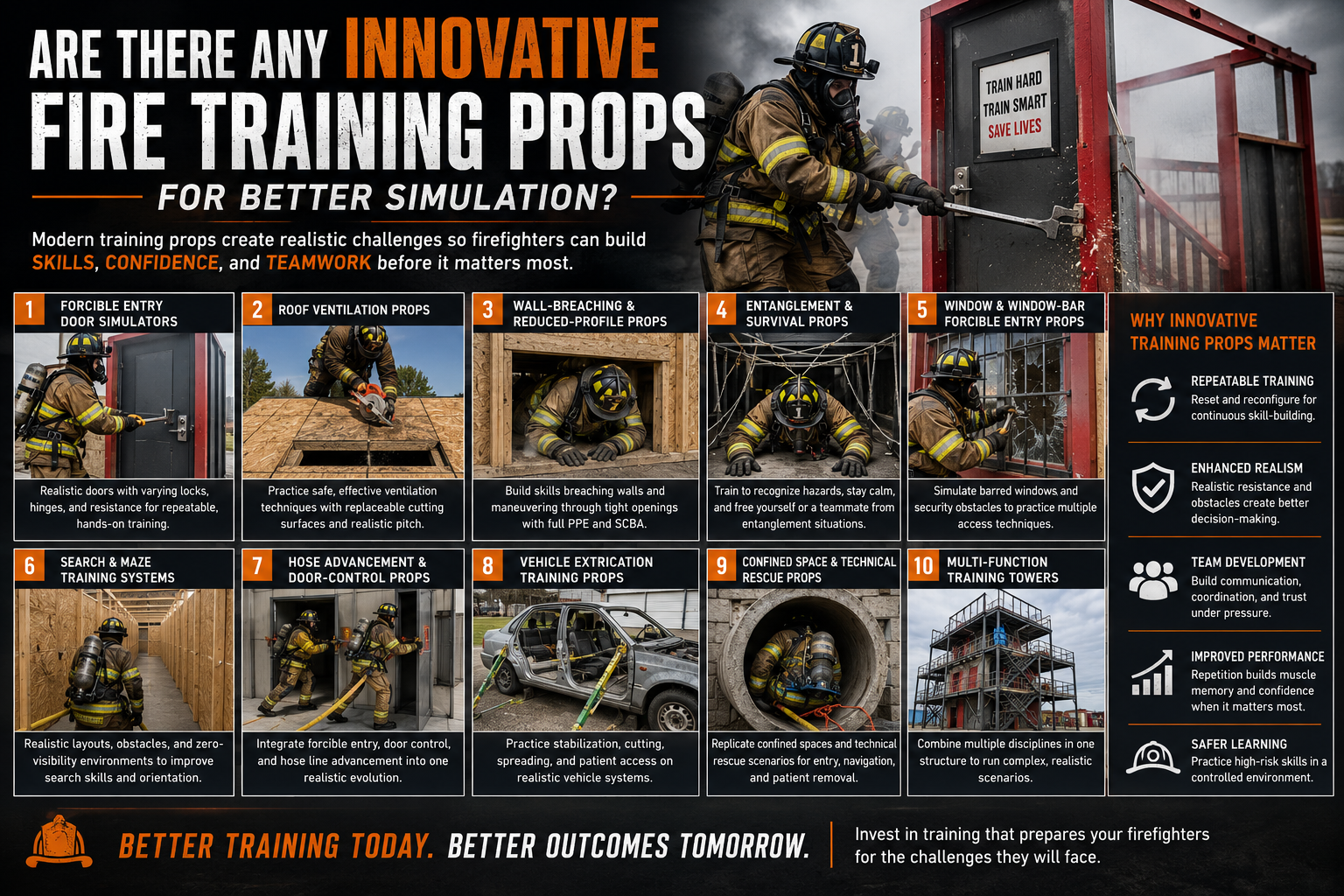
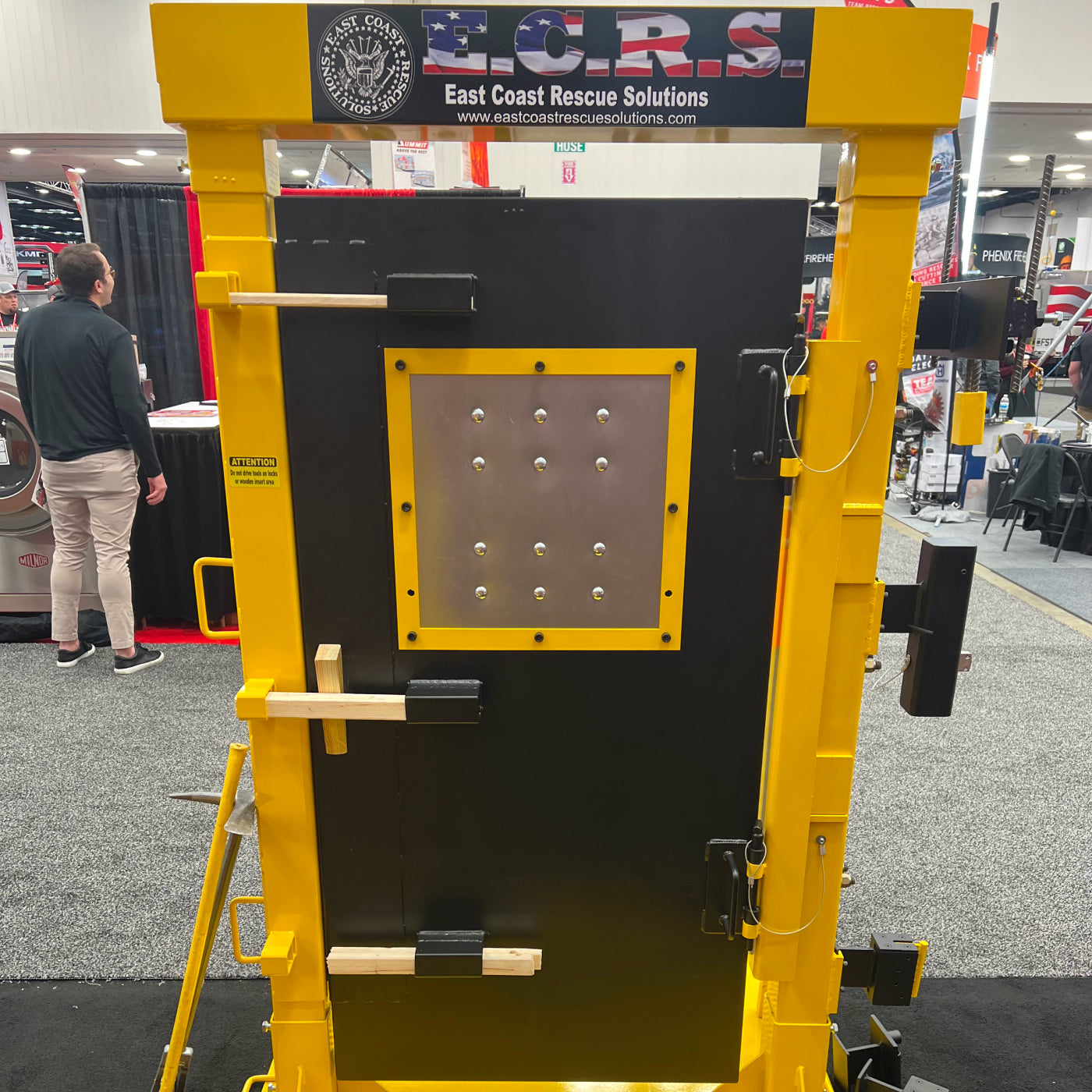
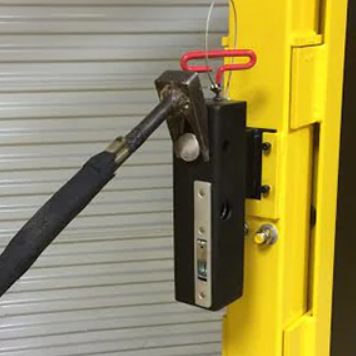
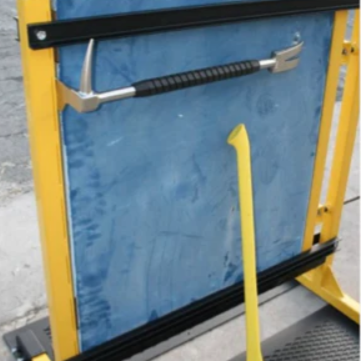
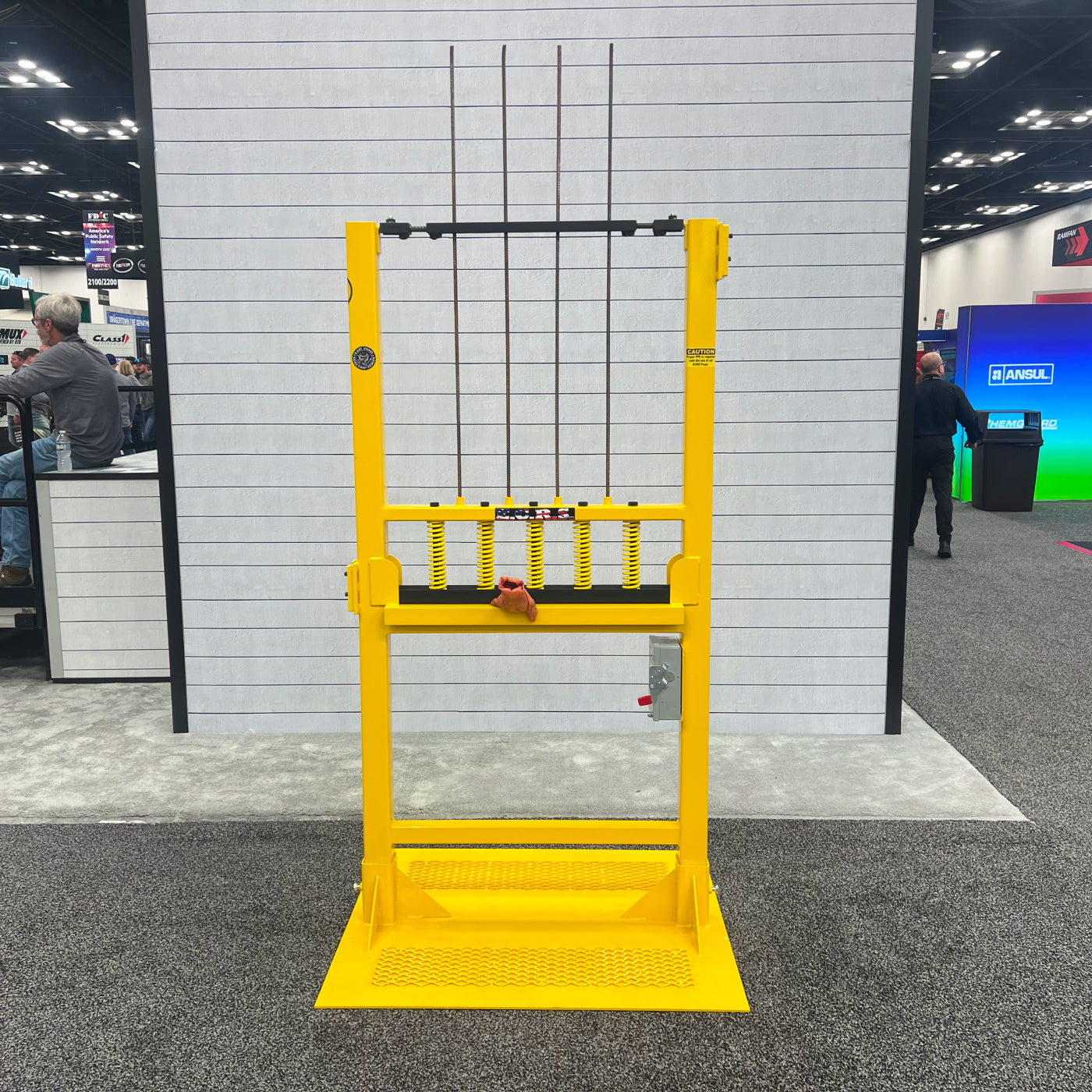
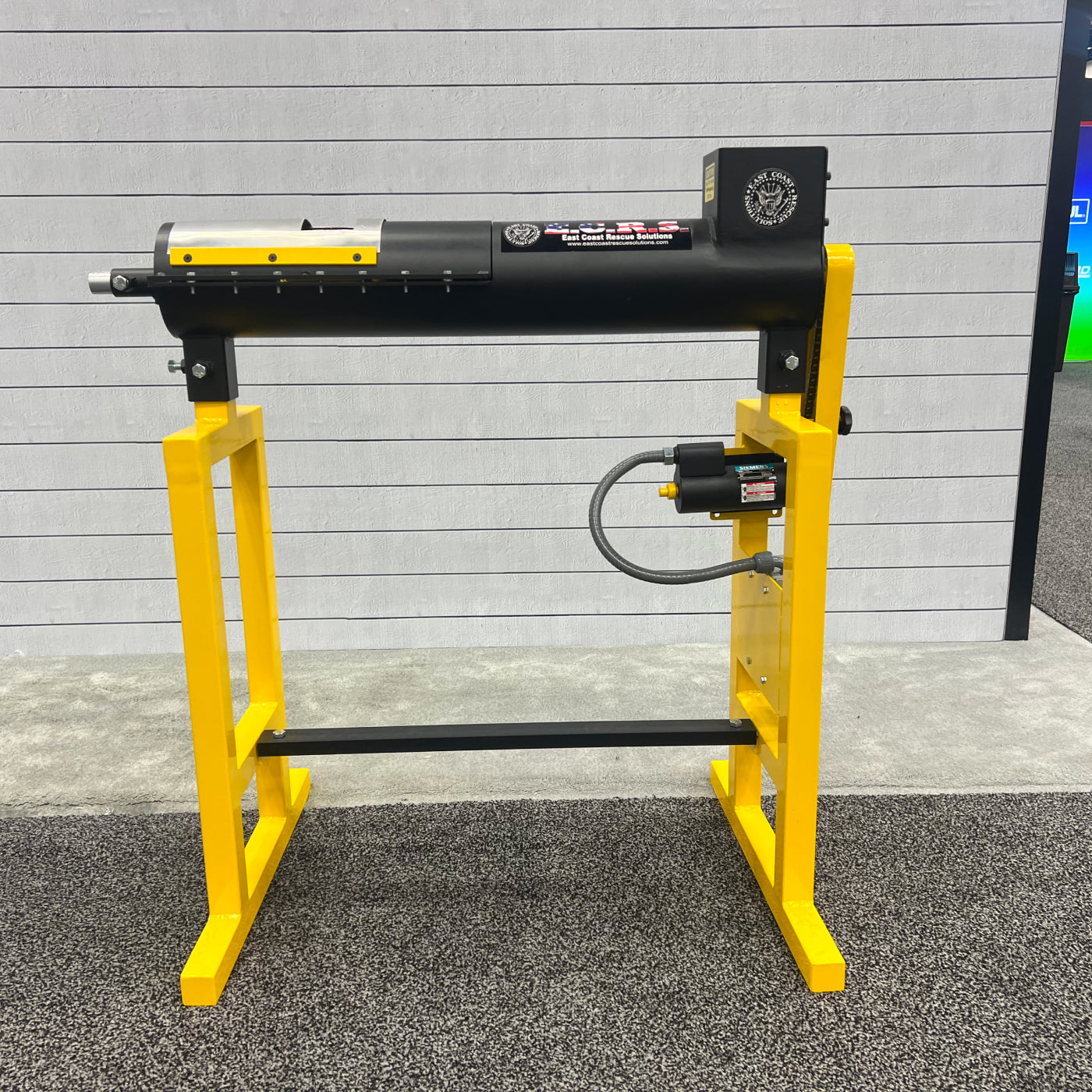
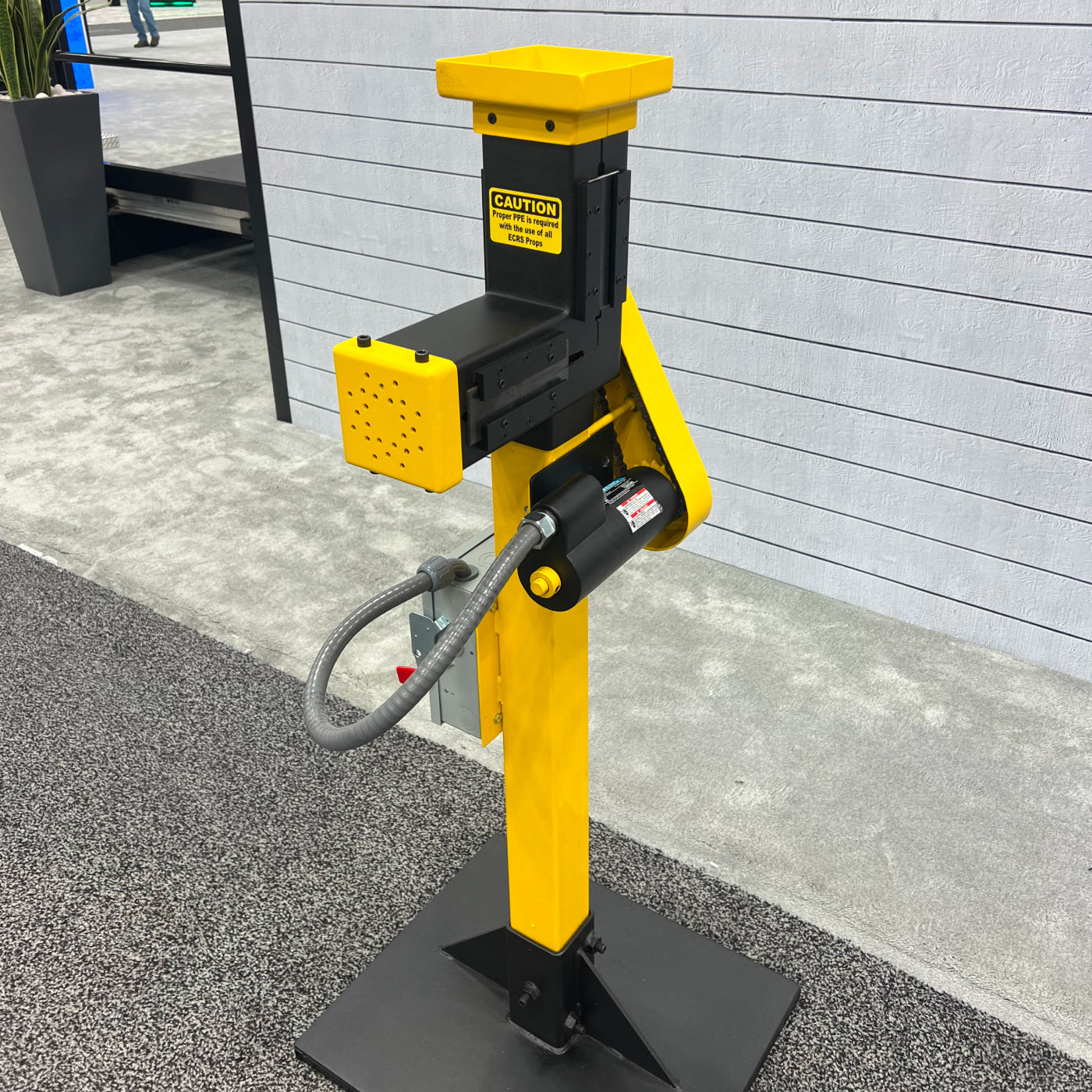
Realistic forcible entry door props allow departments to repeatedly practice these fundamental skills in a controlled training environment.
This type of repetition helps firefighters develop an important habit: diagnosing the problem before selecting the tool.
A firefighter who understands how doors, locks, hinges, and barriers fail is better prepared to recognize when conventional forcible entry is appropriate—and when a more specialized method may actually be necessary.
Departments Need Clear Procedures for Torch Operations
Because cutting torches introduce specialized hazards, departments that carry them should establish procedures governing their use.
Those procedures should address areas such as:
-
Who is authorized to operate the equipment
-
Required training
-
Inspection and maintenance
-
PPE
-
Cylinder storage and transportation
-
Fire protection
-
Atmospheric hazards
-
Communication
-
Equipment shutdown
-
Emergency procedures
-
Post-operation inspection
Manufacturer instructions should also be incorporated into training and equipment management.
The objective is consistency.
During an emergency, firefighters should not have to invent a torch operation from scratch. Crews should already understand responsibilities, equipment requirements, and safety considerations.
Cutting Torch Operations Require More Than a Torch
So, what is required for forcible entry operations involving cutting torches?
The most important requirement is not the cutting equipment itself.
Successful operations require trained personnel, appropriate PPE, properly maintained equipment, hazard recognition, fire protection, situational awareness, communication, and an understanding of the barrier being defeated.
Firefighters also need to evaluate the atmosphere, nearby combustible materials, potential flammable substances, electrical hazards, compressed-gas hazards, and what will happen when the barrier is breached.
And before any of that occurs, crews should determine whether a torch is actually the best tool for the problem.
That principle applies throughout forcible entry.
The objective is never simply to destroy the strongest obstacle in front of you. It is to understand the barrier, identify its vulnerabilities, evaluate the consequences of each available tactic, and select the method that provides the access firefighters need while managing the hazards the operation creates.
Ultimately, advanced forcible entry is not defined by having more powerful tools.
It is defined by knowing which tool the situation actually requires—and when not to use it.