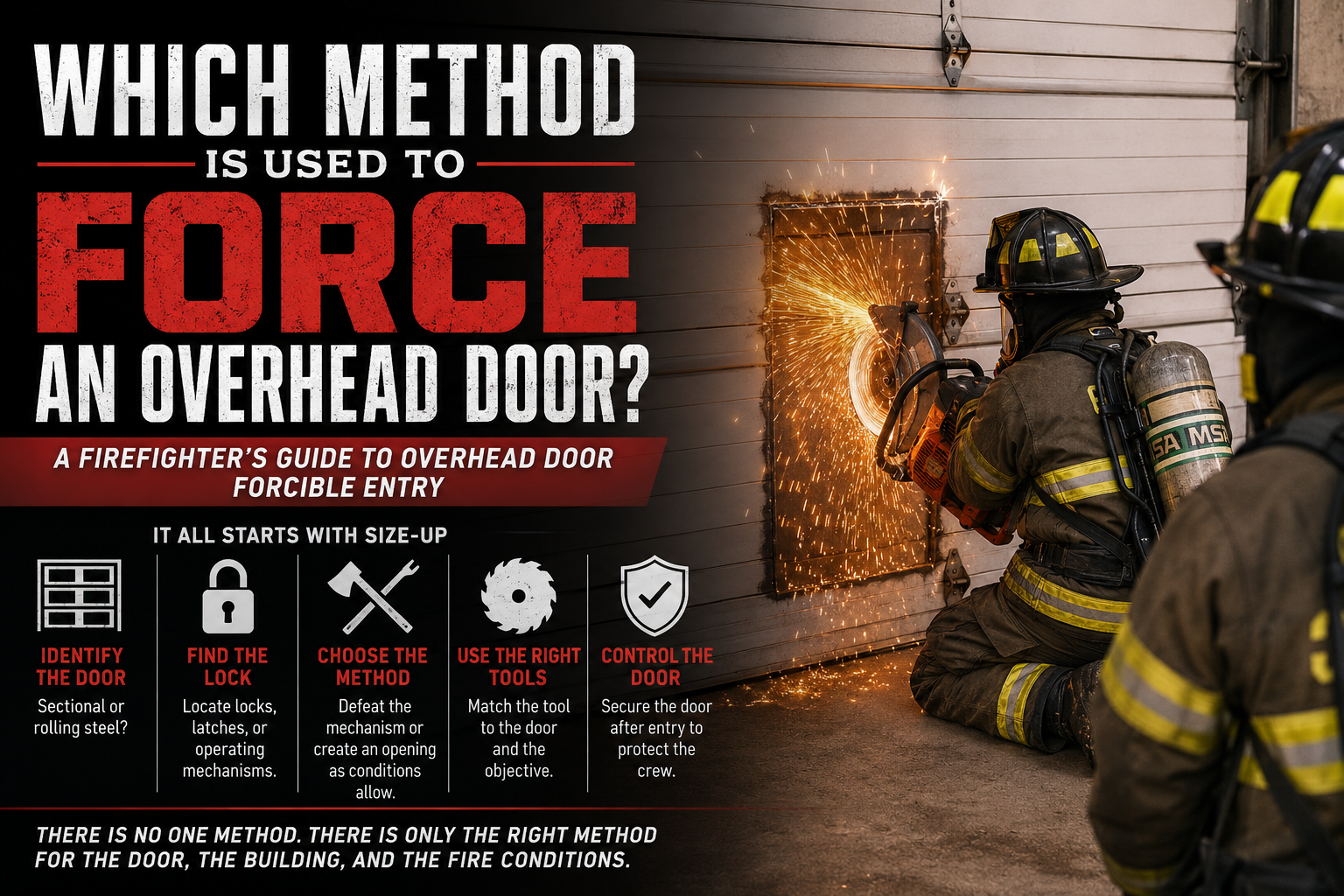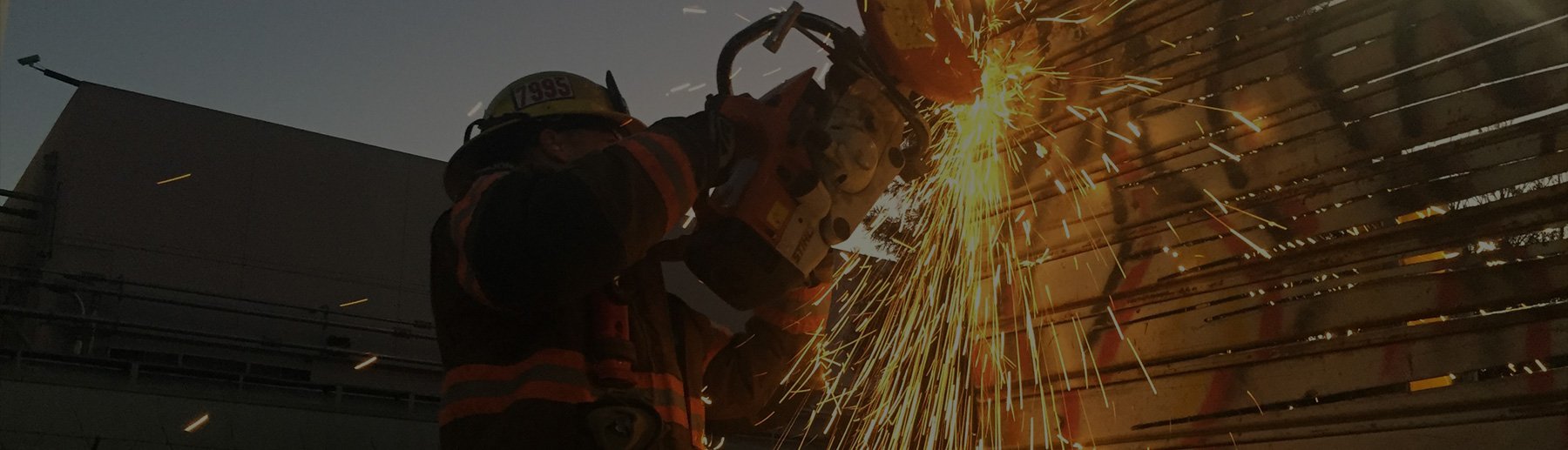






One of the biggest misconceptions in the fire service is that ventilation simply means removing smoke. In reality, every opening you create changes the fire environment. Whether you're venting a residential roof, forcing a window, or opening a commercial roll-up door, you're changing pressure, airflow, and ultimately fire behavior.
The best truck companies don't ventilate because it's "what comes next." They ventilate because they understand exactly how that opening will support fire attack, improve search conditions, or relieve dangerous heat. Every cut, every broken window, and every opened door should have a purpose.
These are the ventilation lessons that often aren't emphasized in recruit school but become second nature after years on the fireground.
Learn to Read the Building Before You Read the Smoke
Smoke tells you what's happening now. The building often tells you what is about to happen.
Before grabbing a saw or roof hook, slow down long enough to study the structure.
Ask yourself:
-
Where is the fire most likely traveling?
-
Is this balloon-frame construction?
-
Is there an attic that connects multiple units?
-
Are there concealed cocklofts?
-
Is this lightweight engineered construction?
Knowing the answers often determines whether vertical ventilation is even worth attempting.
For example, many newer residential homes use lightweight trusses that lose structural integrity far sooner than dimensional lumber. Walking directly over the suspected fire area because "that's where we've always cut" can expose the roof crew to unnecessary risk.
Experienced truck officers often spend more time reading the building than they do actually cutting it.
Don't Rush Your Inspection Cut
An inspection cut isn't simply confirmation that fire is below you.
It's one of the most valuable pieces of intelligence you can gather.
Pay attention to:
-
How much pressure escapes immediately.
-
Whether smoke is pushing or lazily drifting.
-
Whether the smoke darkens or lightens after opening.
-
How much heat is released.
-
Whether flames immediately seek the opening.
These details tell you whether you're directly over the fire, ahead of it, or completely missing the fire area.
Many inexperienced firefighters make a single inspection cut, glance inside, and immediately begin enlarging it.
Veteran roof teams spend several seconds observing what the building tells them before committing further.
Roof Sounding Is a Continuous Process
One of the most dangerous habits firefighters develop is sounding the roof once and assuming it's safe.
Conditions change every few feet.
Fire may have already compromised:
-
Roof decking
-
Rafters
-
Trusses
-
Joists
-
Sheathing around HVAC curbs
Your hook should constantly be working ahead of your feet.
Every step toward your ventilation location should include another sounding strike.
The roof that supported you ten feet ago may not support you ten feet from now.
The Best Roof Teams Walk Less
Watch experienced truck companies during training.
You'll notice something interesting.
They rarely waste movement.
Instead of wandering across the roof deciding where to cut, they already know:
-
Where the roof ladder will go.
-
Which direction they'll exit.
-
Where the second means of egress is.
-
Where the engine company is operating below.
-
Which side of the opening they'll work from.
Less walking means less exposure.
Every unnecessary step increases your time on a potentially compromised roof.
Your Roof Hook Is More Valuable Than Most Firefighters Realize
Many departments primarily use roof hooks for overhaul.
That's only scratching the surface.
A good firefighter uses a roof hook to:
-
Probe weakened decking.
-
Check stability around roof openings.
-
Pull ceilings ahead of advancing engine crews.
-
Locate hidden fire inside void spaces.
-
Test plaster ceilings before committing underneath them.
-
Remove insulation hiding extension.
In many situations, your hook becomes your first warning system long before thermal imaging confirms extension.
Window Ventilation Should Be Intentional
Breaking every window isn't ventilation.
It's property destruction.
Each window changes airflow.
Before taking glass, consider:
Where is the attack line?
Where are search crews operating?
Will this pull fire toward victims?
Will wind make this opening dangerous?
Can another window accomplish the same objective more safely?
Sometimes opening one carefully selected window improves conditions throughout the structure.
Breaking six simply feeds the fire.
Commercial Buildings Demand a Different Mindset
Many firefighters become comfortable ventilating residential roofs and unconsciously apply those same tactics to commercial occupancies.
Commercial roofs introduce hazards including:
-
HVAC units.
-
Solar panels.
-
Multiple roofing layers.
-
Lightweight bar joists.
-
Hidden electrical conduit.
-
Skylights weakened by fire.
-
Roof drains that create trip hazards.
Large open commercial spaces also trap tremendous amounts of heat.
Once the roof is opened, conditions can change dramatically.
Planning your movement before stepping onto the roof is just as important as the ventilation itself.
Learn to Feel Fire Extension
Not every hidden fire announces itself with smoke.
Experienced firefighters often detect extension by subtle clues.
You may notice:
-
Drywall becoming unusually soft.
-
Trim that feels excessively warm.
-
Flooring transmitting unexpected heat.
-
Slight discoloration around ceiling joints.
-
Hollow sounding walls where fire has consumed framing.
Developing this awareness helps locate extension before visible flame appears.
Ventilation Saws Fail for Predictable Reasons
Firefighters sometimes blame equipment when a ventilation operation goes poorly.
Most failures begin long before the apparatus leaves the station.
Common problems include:
-
Dull chains.
-
Loose belts.
-
Incorrect blade selection.
-
Poorly adjusted carburetors.
-
Old fuel.
-
Worn drive components.
Truck companies that regularly inspect and maintain their saws rarely experience catastrophic failures during critical operations.
Professionalism begins in the apparatus bay—not on the roof.
Think About the Crew Below You
Truck work isn't performed in isolation.
Every ventilation decision affects the firefighters inside.
Before opening the roof, ask yourself:
Will this improve visibility for the nozzle team?
Will this increase heat over search crews?
Are firefighters operating directly beneath my intended cut?
Has command approved ventilation?
Good truck companies constantly think about how their work supports everyone else on the fireground.
Train on Buildings That Fight Back
The easiest roofs to ventilate are training props that never change.
Real fires are different.
Doors bind.
Roofs flex.
Smoke hides your footing.
Windows fail unexpectedly.
That is why realistic training matters.
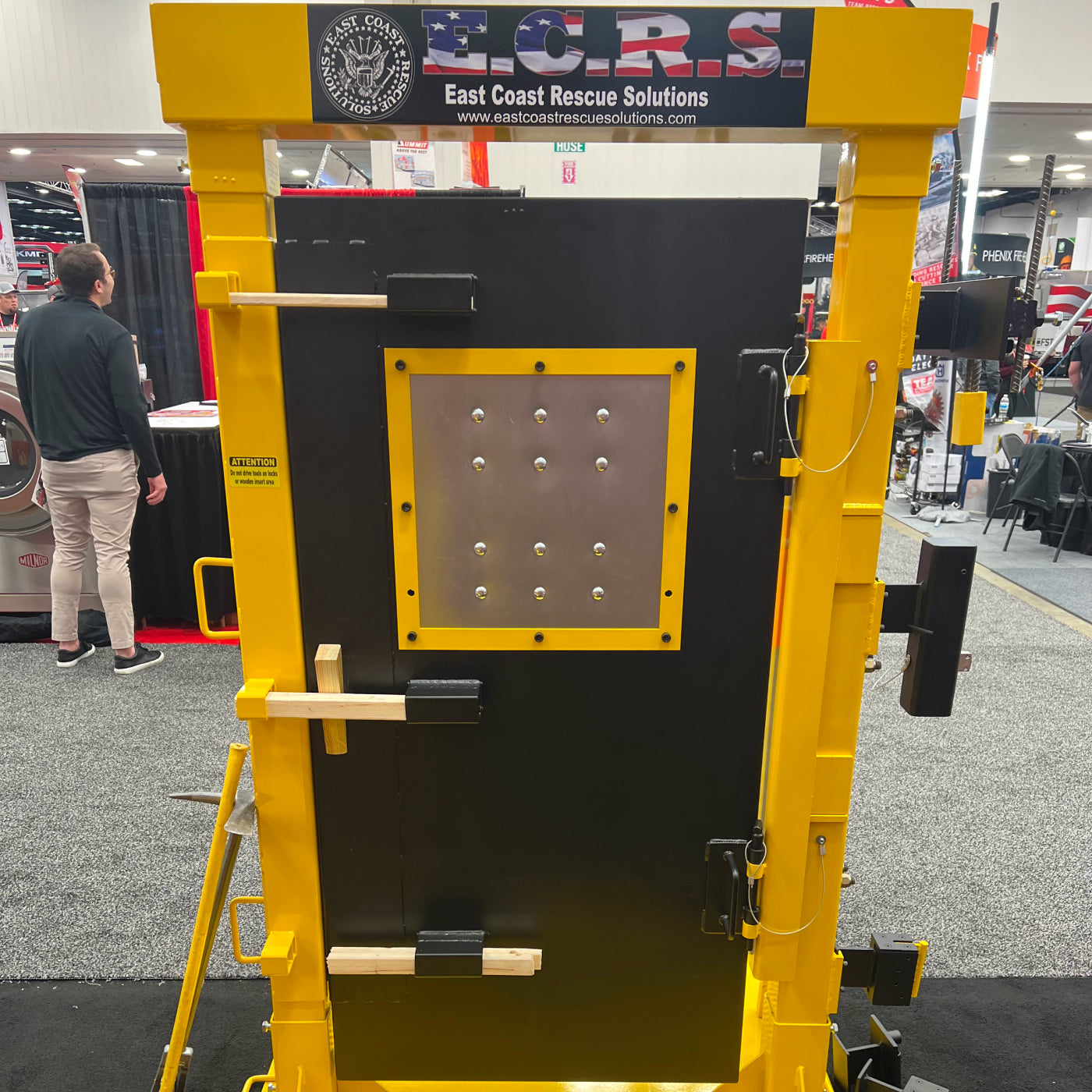
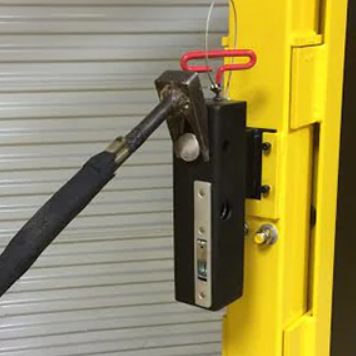
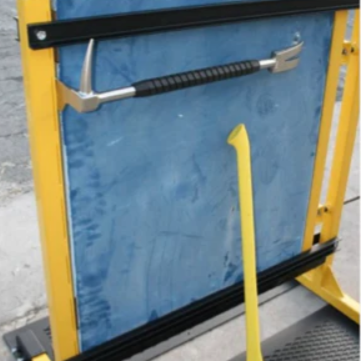
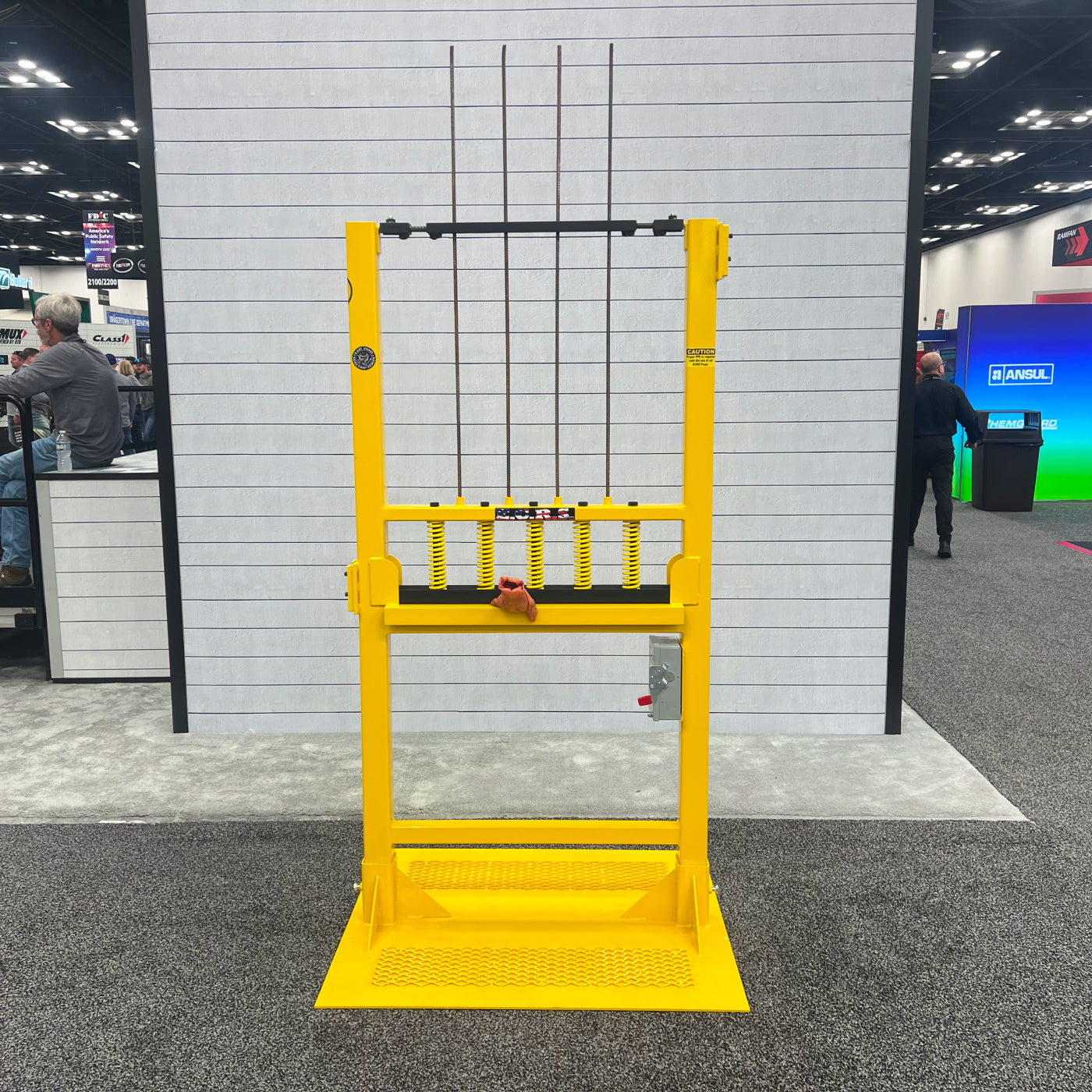
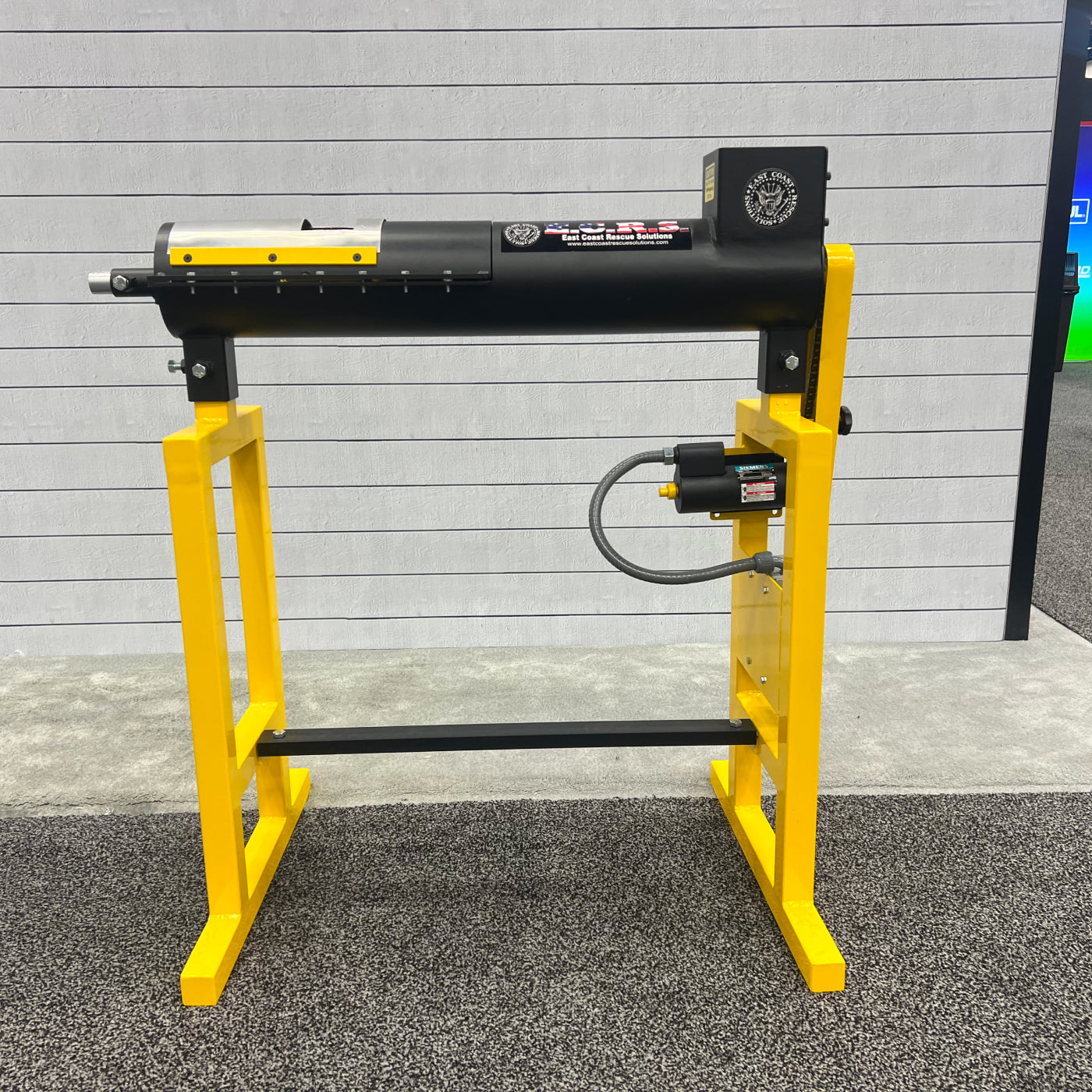
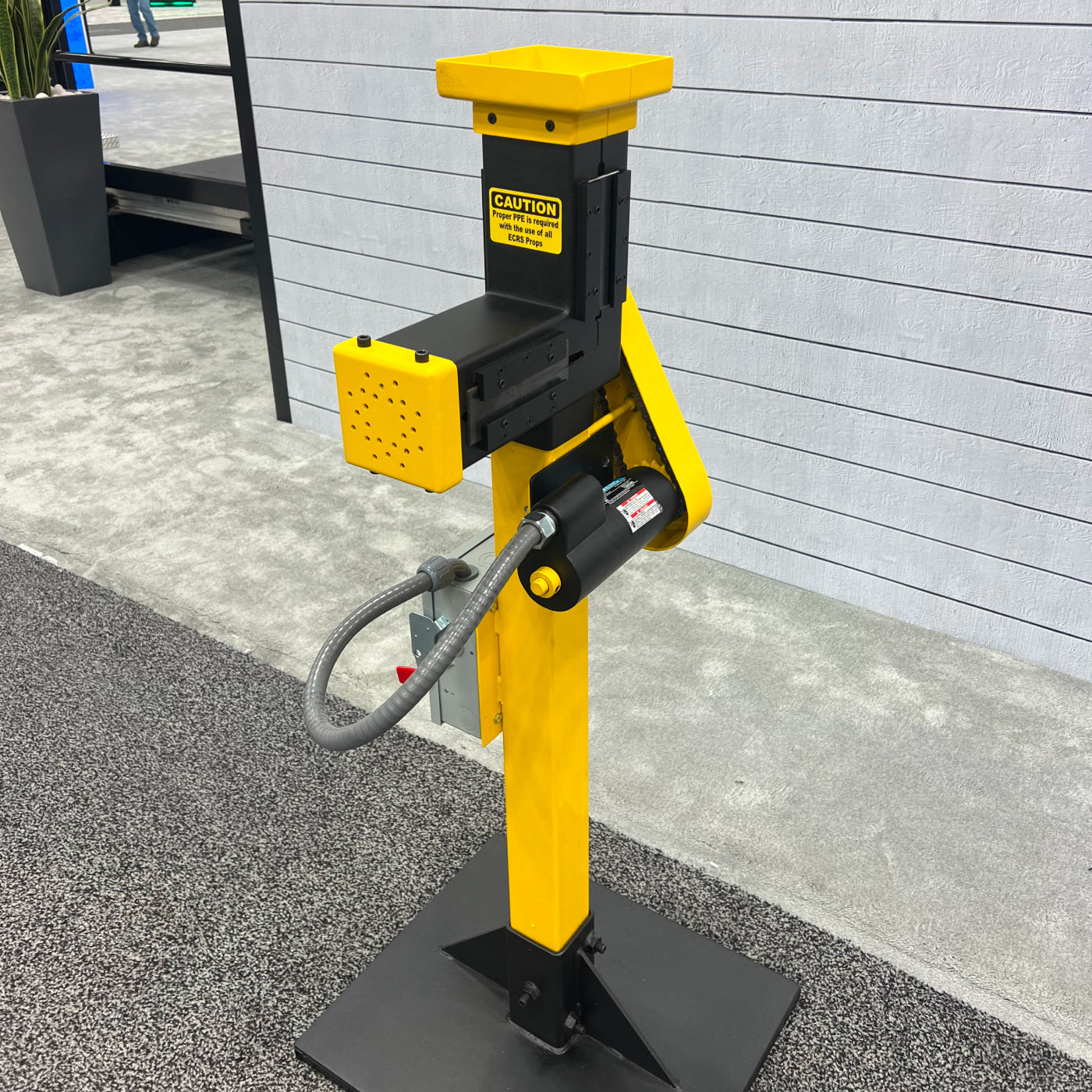
Practicing on forcible entry doors, roof simulators, ventilation props, and acquired structures builds the confidence to perform under pressure when conditions are unpredictable.
Repetition develops muscle memory, but realistic repetition develops good judgment.
Final Thoughts
Ventilation isn't a skill you master after learning how to start a saw or swing a roof hook. It is one of the most complex tactical decisions made on the fireground because every opening influences fire behavior, crew safety, and victim survivability.
The firefighters who consistently perform successful ventilation operations aren't necessarily the fastest or the strongest. They're the ones who read buildings before climbing them, think several steps ahead of the fire, communicate with interior crews, and use every tool with purpose. Those habits aren't developed during emergency calls—they're built through disciplined, realistic training.
Whether you're a probationary firefighter learning truck work or a seasoned company officer sharpening your crew's skills, investing time in advanced ventilation training will pay dividends on every structure fire you respond to.