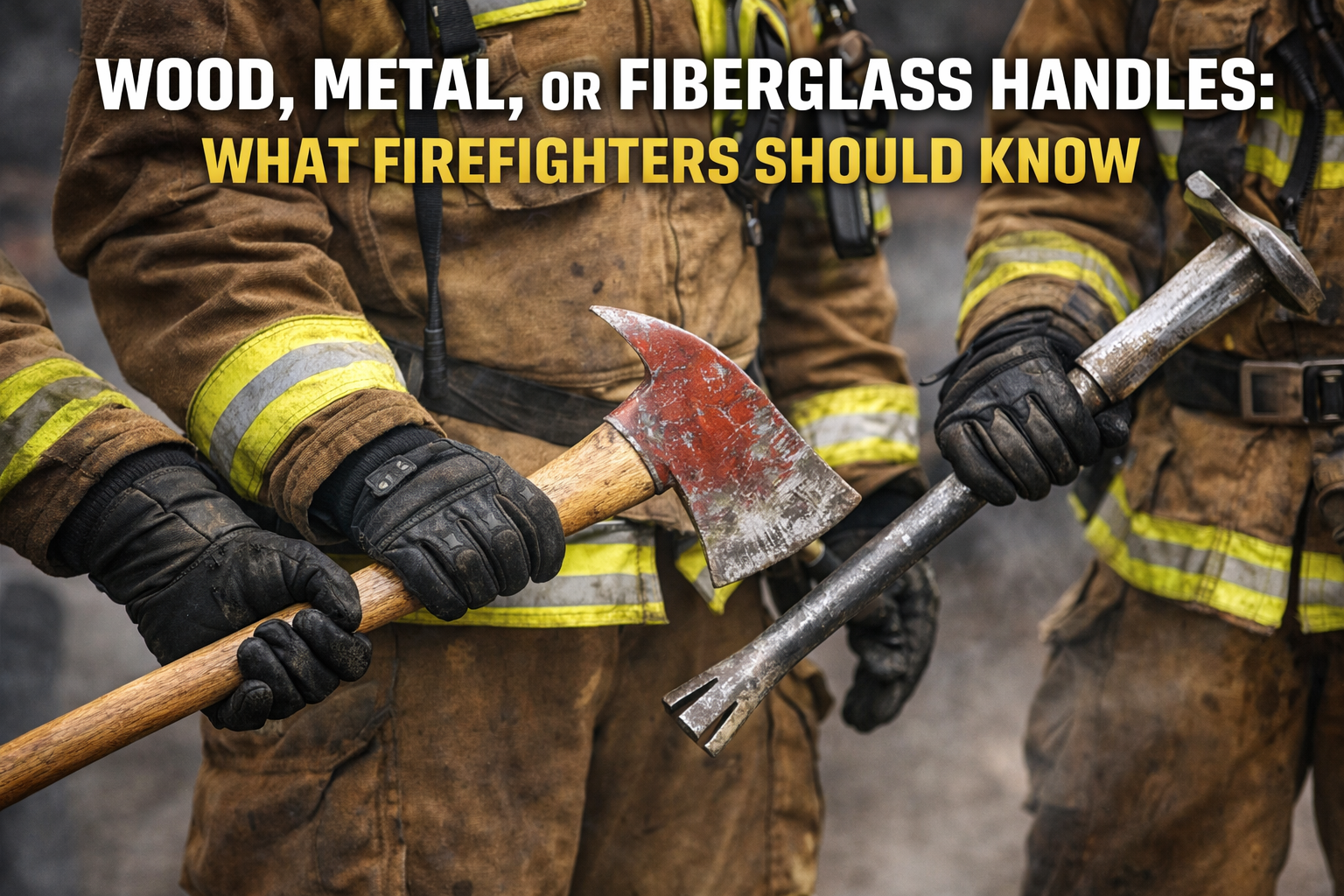







When you swing an axe or maul on the fireground, the difference between a clean, effective strike and a wasted swing usually comes down to technique—not strength.
You’ve probably seen it before. Two firefighters hitting the same target, one making progress with every strike while the other burns energy without getting anywhere. The tool is the same. The difference is how it’s being used.
If you want to get better, you don’t need more reps—you need better reps.
What You’re Really Training When You Swing
Every time you strike, you’re training more than just your arms. You’re building timing, coordination, and control. When those three things come together, your swings start to feel effortless—and more importantly, they become repeatable under pressure.
The biggest mistake you can make is chasing power too early. If you focus on hitting harder before you learn how to hit correctly, you’ll build bad habits that are hard to fix later.
Instead, you want to slow things down and pay attention to how the tool moves through space. The path of your swing, your grip, and your body position all matter more than how hard you hit.
Learning to Hit the Same Spot Every Time
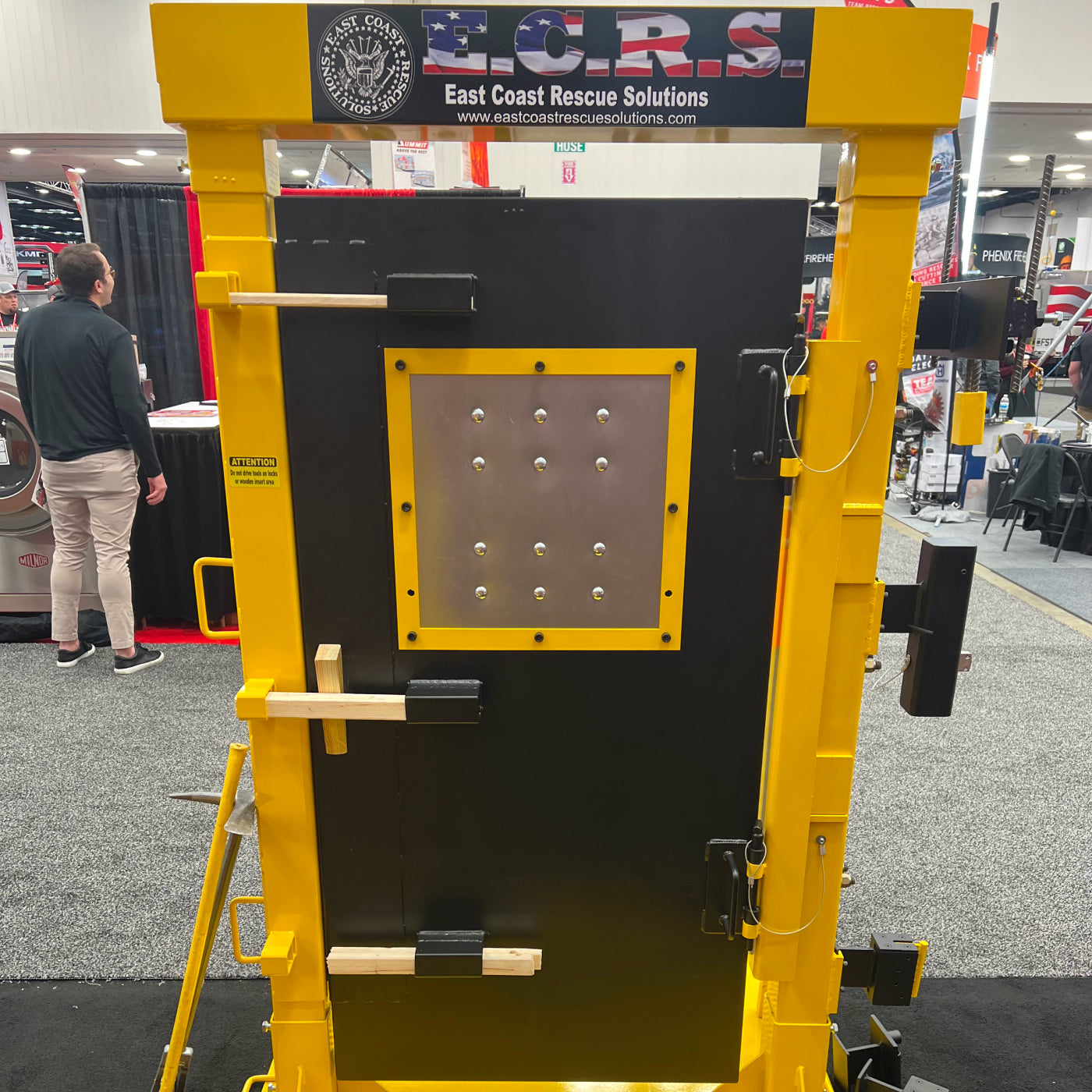
If you want to improve quickly, start by focusing on accuracy. Pick a small target and commit to hitting that exact spot over and over again.
At first, this will feel almost too simple. But after a few minutes, you’ll notice how easy it is to drift off target. Your hands shift slightly. Your stance changes. Your swing path becomes inconsistent.
That’s the point.
By forcing yourself to stay precise, you start to eliminate unnecessary movement. Your swings become tighter, cleaner, and more efficient. Once you can consistently hit the same spot, power becomes much easier to add.
Building Power Without Losing Control
As you start increasing power, you’ll probably notice your accuracy slipping. That’s normal—but it’s also where most firefighters go wrong.
Instead of pushing through it, you should treat power like a progression. Gradually increase the intensity of your swings while keeping your technique intact. If your accuracy drops off, that’s your signal to dial it back.
Over time, your body learns how to generate force without sacrificing control. That’s when your strikes start to feel both strong and efficient.
Why Rhythm Changes Everything
One of the most overlooked parts of striking technique is rhythm. When your swings are rushed or inconsistent, you waste energy and lose control.
But when you find a steady rhythm, everything starts to click. Your reset becomes smoother. Your follow-through becomes more natural. You stop fighting the tool and start working with it.
This becomes even more important when you’re operating with a partner. Clean, predictable timing makes coordination easier and keeps both of you safer.
Training for Real Conditions
It’s easy to look good when visibility is perfect and you’re fully in control. But that’s not how it works on the fireground.
You should be training in conditions that force you to rely on feel instead of sight. When you can’t clearly see your target, your body positioning and muscle memory become everything.
At first, this will slow you down. That’s expected. But over time, you’ll develop a level of control that carries over into real-world scenarios.
What Good Technique Actually Feels Like
When your technique is dialed in, you’ll notice a few things. Your swings feel smoother. You’re not overexerting yourself. And most importantly, every strike is doing meaningful work.
You’re no longer guessing—you’re placing each hit with intention.
That’s when you know your training is paying off.
Final Thoughts
Improving your axe and maul technique isn’t about working harder—it’s about working more deliberately.
If you focus on accuracy, control, and rhythm first, the power will come naturally. And when it does, you’ll be able to operate more efficiently, conserve energy, and perform better when it matters most.