

Choosing the right training props for your fire department is one of the most important decisions you can make for your crew’s safety, performance, and long-term readiness.
The reality is simple: your firefighters will fall back on how they train. If your props don’t reflect real-world conditions, your training won’t either.
So how do you choose the right ones?
This guide will walk you through exactly what to look for—based on real fireground demands, budget constraints, and long-term training goals.
Start With Your Department’s Real-World Needs
Before you even look at specific props, you need to step back and evaluate what your department actually responds to.
Every department is different.
-
Urban departments deal with commercial buildings, reinforced doors, and security bars
-
Suburban departments see a mix of residential and light commercial structures
-
Rural departments may face longer response times and different building construction types
Your training props should reflect that.
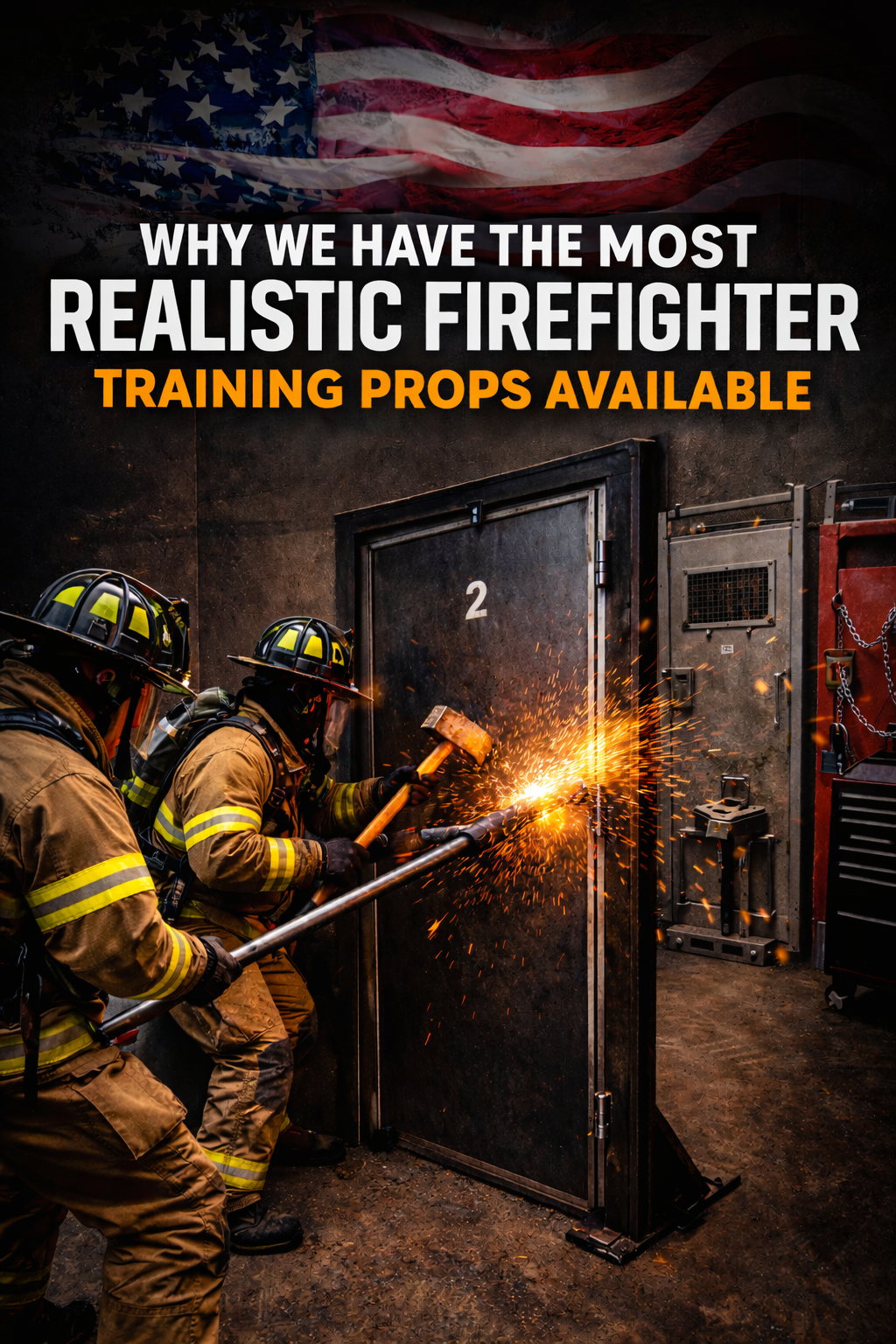
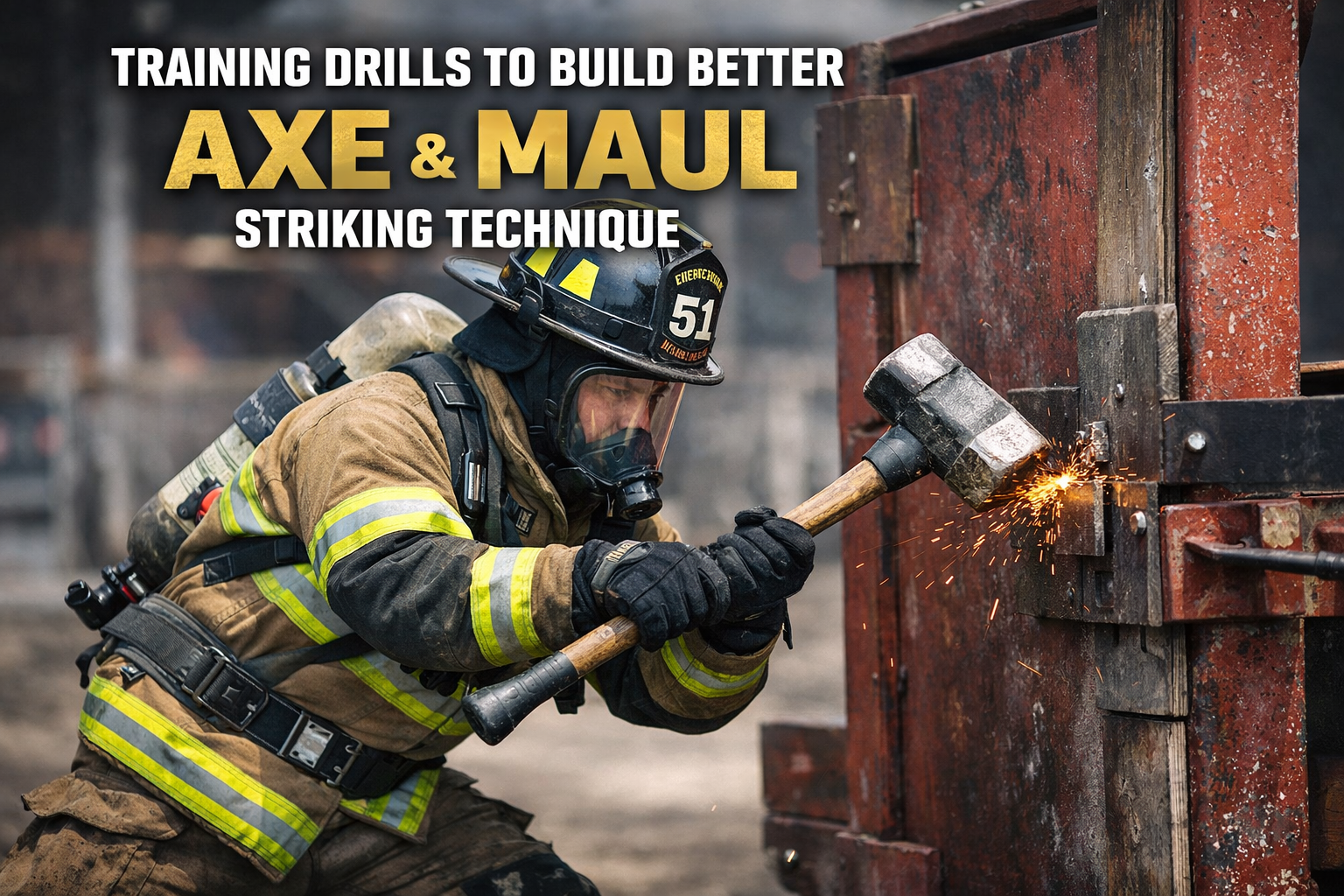
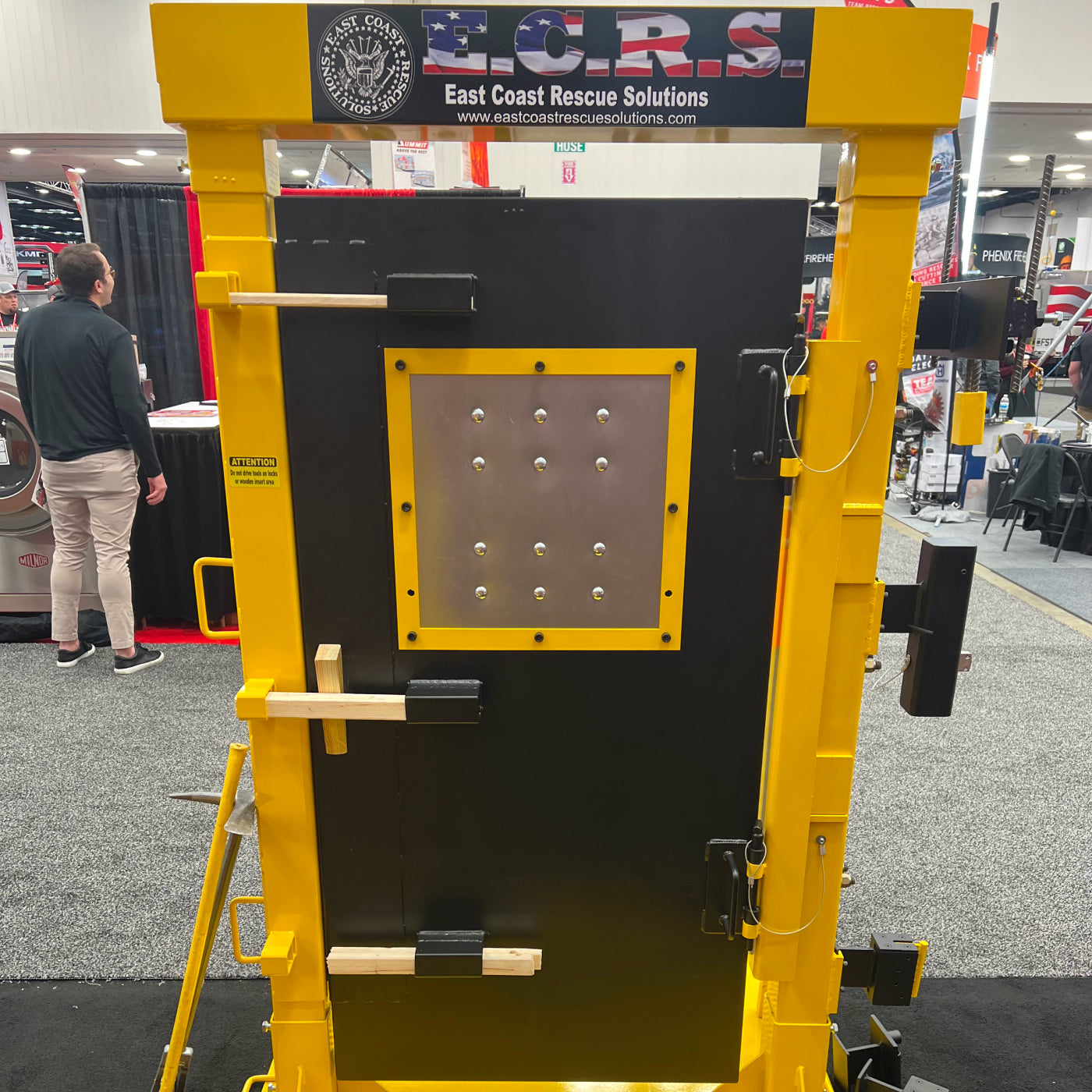
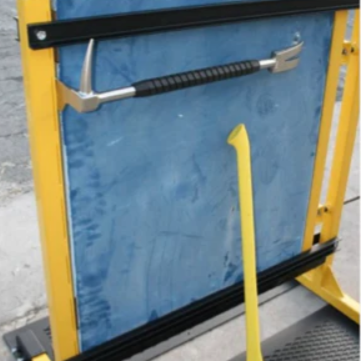
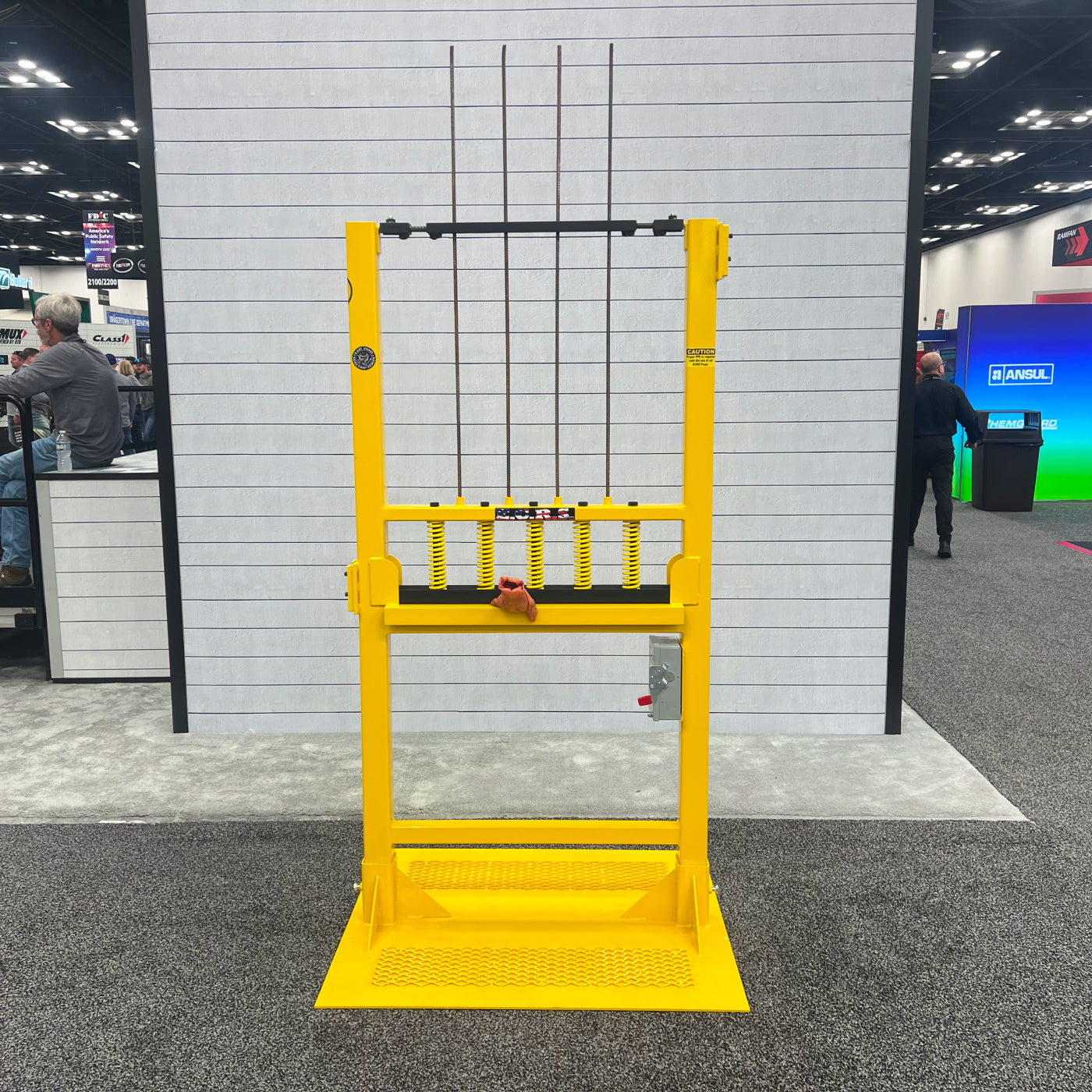
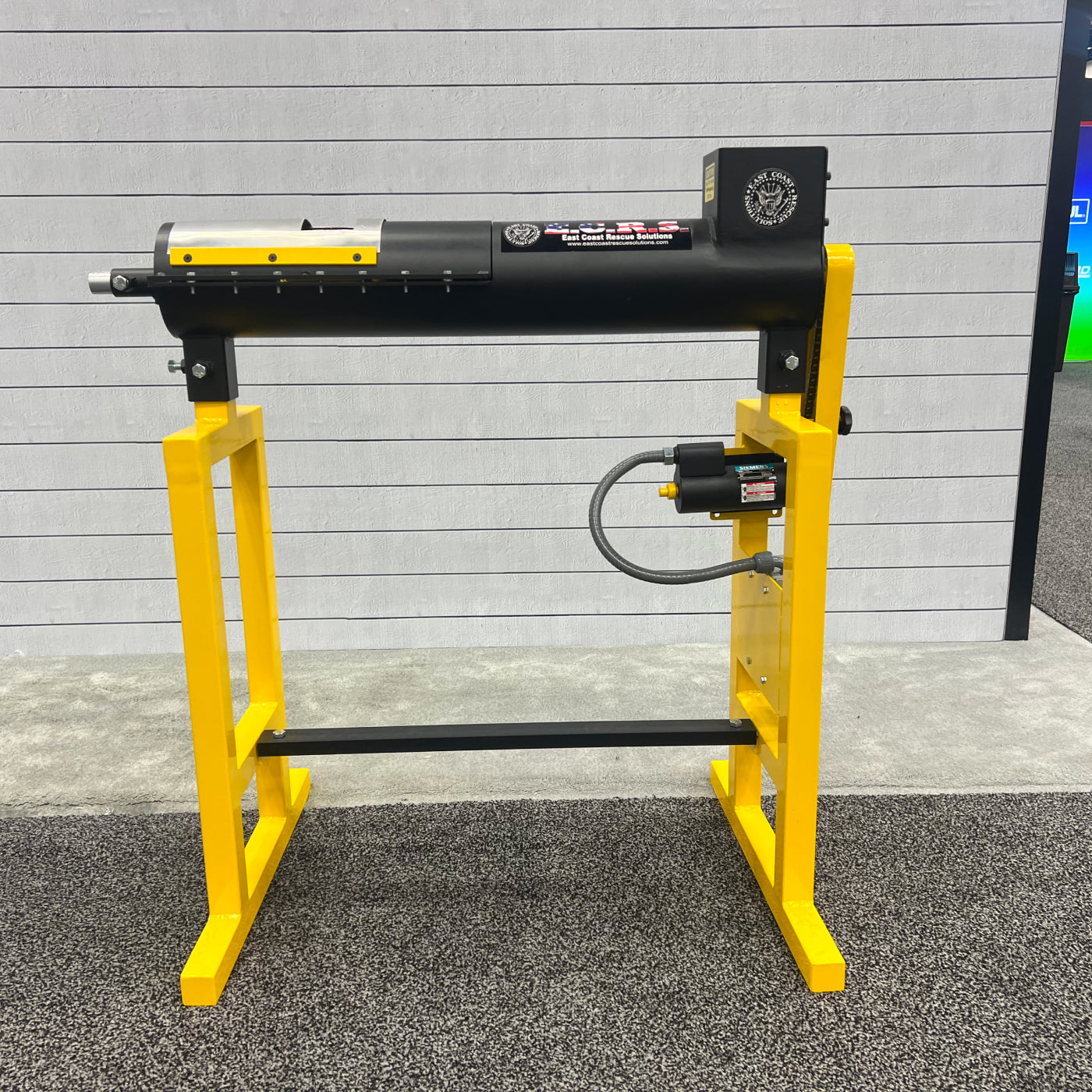
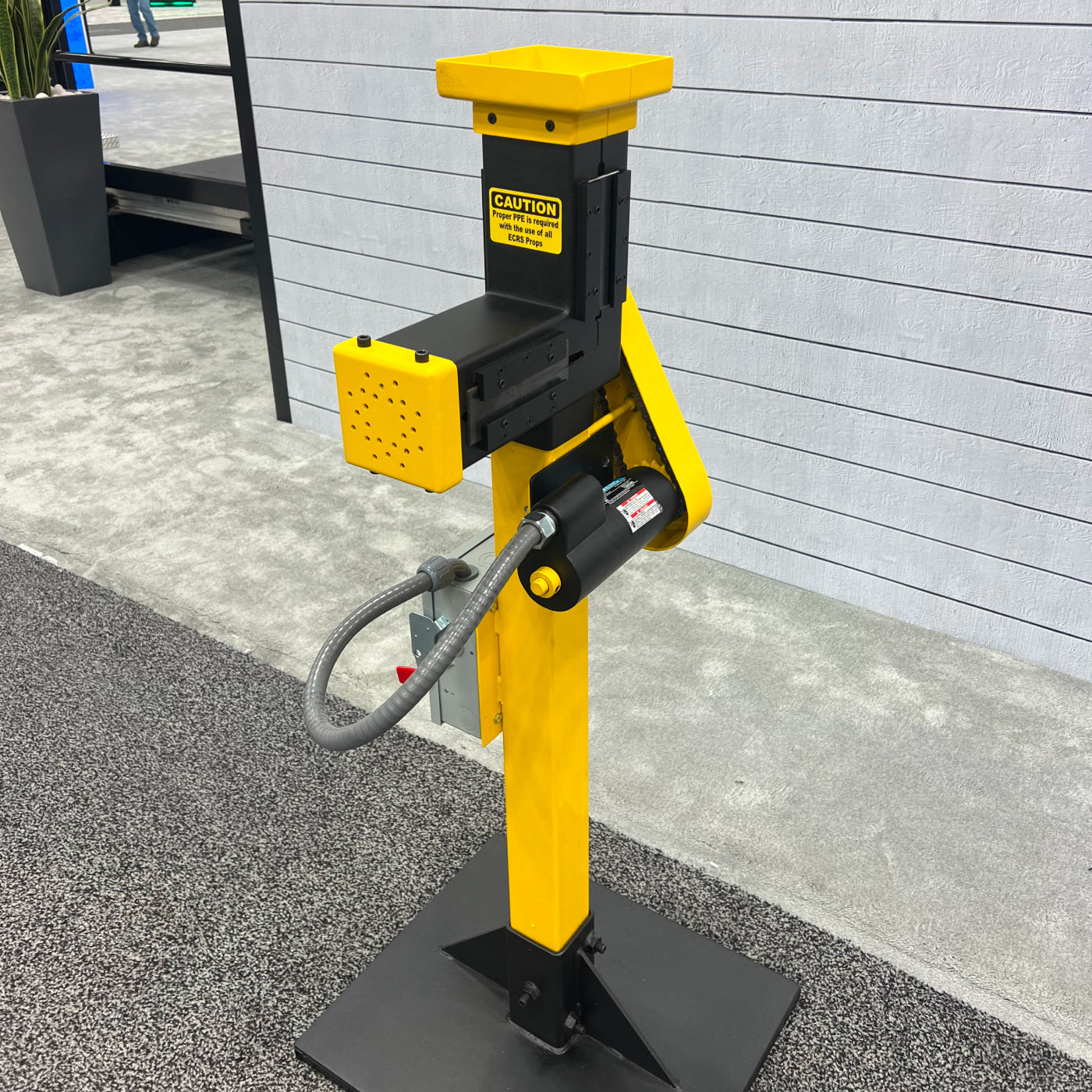
For example, forcible entry props can simulate everything from residential wood-frame doors to high-security commercial doors. The closer your props match your response area, the more effective your training will be.
If your crews mostly encounter inward-swinging residential doors, but you’re training on heavy steel outward-swinging props all the time, you’re creating a disconnect.
Prioritize Realism (But Understand Its Limits)
Realistic training is critical—but it’s not as simple as “more realistic = better.”
Modern training props are designed to simulate real-life scenarios like:
-
Forcing doors with different locking mechanisms
-
Cutting security bars or padlocks
-
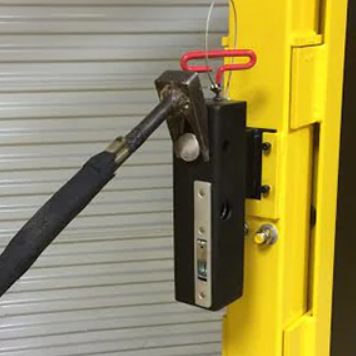
Practicing through-the-lock techniques
-
Simulating resistance and door behavior
These props allow firefighters to repeat skills under controlled conditions, building confidence and muscle memory.
However, there’s an important nuance.
Some props—especially heavy-duty steel doors—can actually be more forgiving than real doors, which can give firefighters a false sense of technique if not addressed in training.
That’s why the best departments don’t rely on one type of prop—they use a mix.
Focus on Safety and Durability First
No matter how realistic a prop is, it’s useless if it’s not safe.
Training props go through extreme stress. They’re hit, pried, cut, and used repeatedly in all weather conditions.
According to firefighter training standards, effective props must be:
-
Structurally stable under heavy force
-
Free from hazards like exposed nails or sharp edges
-
Built with high-quality materials that won’t degrade quickly
-
Designed to allow instructor supervision and safe access
Durability matters just as much.
Cheaper props—especially wood-based builds—can break down quickly and require constant maintenance. Over time, that can cost more than investing in a well-built system upfront.
Decide Between DIY and Commercial Props
This is one of the biggest decisions departments face.
DIY Props
Building your own props can be appealing, especially if budget is tight.
Departments across the country have created effective low-cost props using readily available materials.
DIY works well when:
-
You need basic skill development tools
-
You have personnel with building experience
-
You’re testing training concepts before scaling
But there are trade-offs:
-
Less durability
-
More maintenance
-
Inconsistent realism
-
Potential safety concerns if not built properly
Commercial Props
Commercially manufactured props are designed specifically for repeated, high-intensity use.
They offer:
-
Consistent performance
-
Higher durability (often steel or engineered materials)
-
Modular training scenarios
-
Professional-grade safety standards
Many are also designed to replicate multiple door types and entry situations in one system, making them more versatile over time.
While the upfront cost is higher, they often become more cost-effective in the long run.
Look for Versatility and Scenario Variety
The best training props don’t just teach one skill—they evolve with your training.
A strong prop setup should allow you to simulate:
-
Inward and outward swinging doors
-
Residential and commercial locks
-
Padlocks, deadbolts, and drop bars
-
Breaching, prying, and cutting techniques
Some advanced props even allow adjustable resistance and replaceable components, so you can run multiple scenarios without needing entirely separate systems.
This is where a lot of departments make a mistake—they buy props that only solve one problem.
Instead, think in terms of training systems, not individual props.
Consider Portability and Storage
Training doesn’t always happen in one place.
If your department trains at multiple locations—or shares resources—you’ll want props that are:
-
Easy to transport
-
Quick to assemble and break down
-
Compact for storage
Some modern systems are specifically designed to be mobile, allowing departments to run training anywhere without needing a fixed training structure.
If your props are difficult to move or set up, they simply won’t get used as often.
Match Props to Skill Levels
Not every firefighter in your department is at the same level.
Your training props should support:
-
Basic skill development for newer firefighters
-
Repetition and muscle memory for core techniques
-
Advanced scenarios for experienced crews
Some props allow you to increase complexity over time, which is ideal.
You don’t want tools that are either:
-
Too simple (no growth), or
-
Too complex (intimidating for newer firefighters)
The goal is progression.
Balance Budget With Long-Term Value
Budget is always a factor—but focusing only on price can hurt your training program.
Instead of asking:
“What’s the cheapest option?”
Ask:
“What gives us the most training value over the next 5–10 years?”
A cheaper prop that needs constant repairs, replacement parts, or rebuilds can quickly exceed the cost of a higher-quality system.
Also consider:
-
Maintenance costs
-
Replacement parts
-
Lifespan
-
Frequency of use
The right prop isn’t the cheapest—it’s the one your crew will actually use consistently.
Build a Complete Training Ecosystem
The best departments don’t rely on just one type of prop.
They build a training ecosystem that includes:
-
Forcible entry door props
-
Ventilation props
-
Search and rescue props
-
SCBA confidence and entanglement props
Each one reinforces different skill sets, and together they create well-rounded firefighters.
Forcible entry is critical—but it’s only one piece of the puzzle.
Final Thoughts: Train for Reality, Not Convenience
Choosing the right training props comes down to one principle:
Train for the fireground you respond to—not the one that’s easiest to simulate.
When you invest in the right props, you’re not just buying equipment.
You’re building:
-
Faster response times
-
Better decision-making under pressure
-
Safer operations
-
More confident firefighters
And ultimately—you’re improving outcomes when lives are on the line.